
SPCC plans and applicability reviews
EPA's SPCC rule applies to non-transportation facilities with more than 1,320 gallons of aggregate aboveground oil storage capacity, or more than 42,000 gallons completely buried, where a discharge could reach water. We tell you whether it applies and keep the plan current.
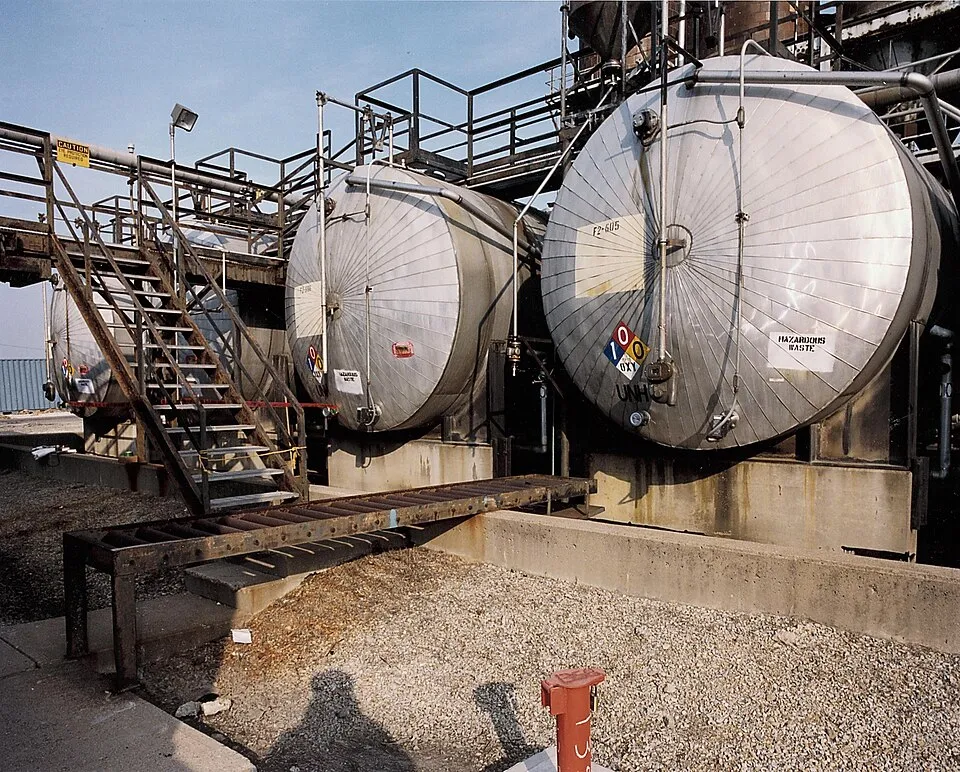
Review the plan at least once every five years, and amend it within six months of a change that affects the potential for an oil discharge (40 CFR 112.5).
Send us the date of your last SPCC plan review and the plan's certification page.
The requirement
EPA's Spill Prevention, Control and Countermeasure rule (40 CFR 112) requires a written plan, inspections and tests on the schedule the plan sets, and training for oil-handling staff.
Who it applies to
Non-transportation facilities with aggregate aboveground oil storage capacity over 1,320 gallons (containers of 55 gallons or more) or completely buried capacity over 42,000 gallons, where a discharge could reasonably reach navigable waters or adjoining shorelines.
What we handle
- Applicability reviews
- New SPCC plans and five-year reviews, with a PE where the rule requires one
- An annual SPCC site visit by our staff, offered as a service; your plan sets its own inspection and testing schedule
- Staff briefings for oil-handling personnel
What an SPCC plan contains
- An inventory of oil containers and their capacities
- Secondary containment for bulk storage and transfer areas
- Spill response procedures and contacts
- An inspection and testing schedule for tanks and containment
- Training for oil-handling staff, with records
Our annual site visit
Our annual visit is a service, not the inspection schedule the rule requires. We walk the site, check containers, containment and spill kits, record what needs fixing and update the plan when something has changed. The facility's own inspections and tests follow the schedule in its plan.
Common questions
Does the SPCC rule apply to us?
Three tests (40 CFR 112.1): a non-transportation facility; aggregate aboveground oil storage capacity over 1,320 gallons, counting only containers of 55 gallons or more, or completely buried capacity over 42,000 gallons; and a reasonable expectation that a discharge could reach navigable waters or adjoining shorelines. Permanently closed containers, motive power containers, and buried tanks that meet all federal UST rules are excluded from the totals.
Does an SPCC plan need a professional engineer?
Usually. Smaller qualified facilities with 10,000 gallons or less of aboveground oil storage and no significant spill history can self-certify; others need a PE.
Is your annual visit the inspection the rule requires?
No. Our annual SPCC visit is a service we offer. Your plan sets its own inspection and testing schedule for tanks and containment, often more frequent, and your staff keep those records.
How often does an SPCC plan need review?
At least every five years, and whenever a change at the facility affects the potential for a discharge.
Sources
Checked against these agency documents on November 26, 2026. Reviewed by Jason Ghaffari, CPSWQ, CHMM on November 26, 2026. Your permit and the agency are the final word.
Start with the date of your last SPCC plan review
Email us the date of your last SPCC plan review and the plan's certification page, and where the site is. We reply within one business day.